var publisher_id = "pub-1234123412341234"; // Replace 1234123412341234 with your Google AdSense publisher id. adsManagerOptions = { maxAdsOnMap : 2, style: 'adunit', channel: '12345678' // This field is optional - replace 12345678 with a channel number that you created for GooYAMLgle AdSense tracking }; adsManager = new GAdsManager(map, publisher_id, adsManagerOptions); adsManager.enable(); abdou

Sunday, February 10, 2019

5 Diet Plan Ideas to Help You Get in Shape

5 Diet Plan Ideas to Help You Get in Shape


If you’re looking to get healthy again, it’s important to take the proper measures to make it happen. One of the first steps involves exercise. You have to make sure you’re incorporating movement into your daily lifestyle. You also need to make sure you’re following an effective diet plan. There are so many diets on the market. Consider one of these five to get started.

Whole 30 Diet
The Whole 30 diet incorporates foods and ingredients the average person can pronounce. It emphasizes the use of whole, unprocessed ingredients in order to achieve results. On the Whole 30 Diet, an individual can eat lots of vegetables and natural fats. They can also enjoy reasonable amounts of meat and seafood. They can also enjoy lots of seasonings, herbs and delightful spices to enhance their culinary experience. The diet prohibits the use of sugar, dairy and copious amounts of fruit.

Ketogenic Diet
The Ketogenic Diet is truly on the rise. It’s one of the most popular diets sweeping the nation. It focuses on the use of the body to effortlessly burn fat through a process called ketosis. It’s a moderate-protein, low-carb, high-fat diet that many people love because of their ability to experience the benefits of weight loss and increased energy.

Individual & Group Coaching Plans
There are tons of successful weight loss coaching programs to consider. Weight Watchers is endorsed by many celebrities. Like other coaching programs, it has developed a reputation for being effective. When you begin programs like Plan 7 coaching, you’ll go through various assessments to understand what your body truly needs in order to get into shape.

Mediterranean Diet
The Mediterranean Diet focuses on eating foods that are heavily consumed in the Mediterranean culture. Swap butter for extra virgin olive oil. Use olives, capers and fresh herbs to season and add flavor to the foods. A glass of wine is not a bad thing in the Mediterranean Diet. Lots of fresh, green vegetables like asparagus and broccoli are encouraged as well.

Veganism
With countless documentaries encouraging people to adopt veganism, it’s also seen as a diet that can help you get into shape. In order to be vegan, you’ll have to completely cut out all animal products and byproducts. Meat, dairy and seafood are strictly prohibited. You can eat lots of fruits, vegetables, nuts, grains and seeds. You can season your food with tons of flavor. There are countless health benefits of the vegan diet including weight loss, lower cholesterol and more.

As you work toward getting back into shape, understand that it’s a daily commitment. It’s important to make the right decisions with the food you consume so that you can really experience the results you want. It’s okay to enjoy a cheat meal every now and then. Do the 80/20 rule to indulge on a special occasion, but get back into shape.

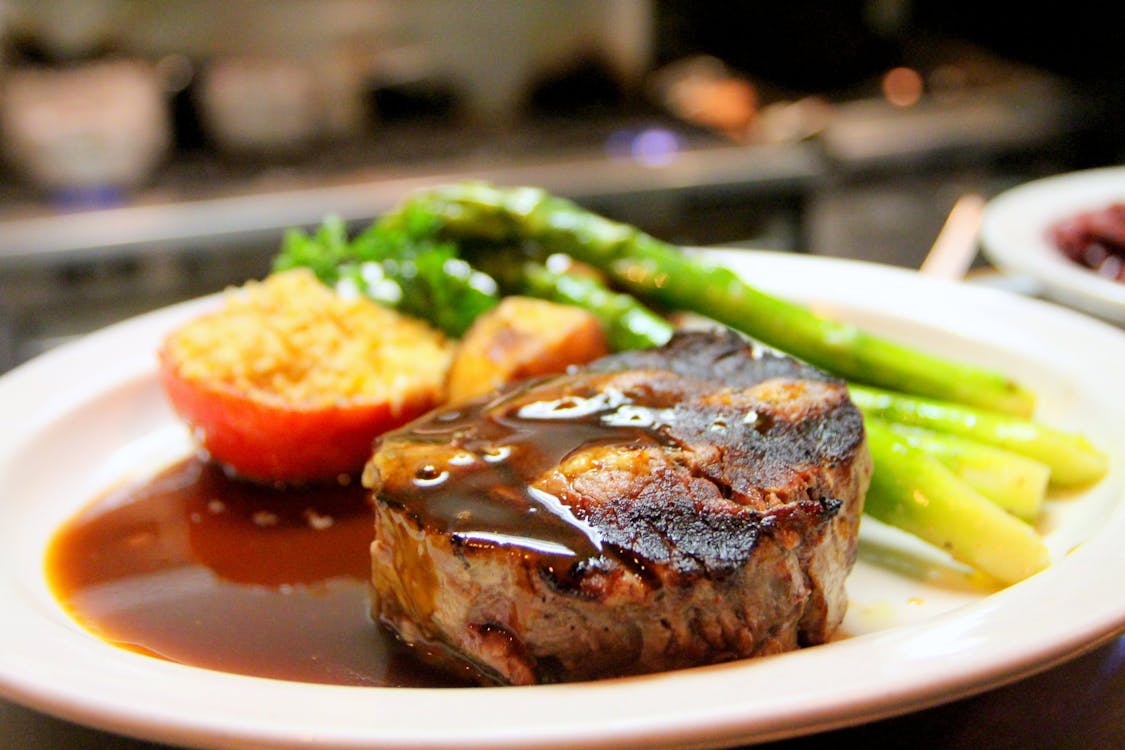
Reducing Inflammation in the Body through Diet


Reducing Inflammation in the Body through Diet


Inflammation can wreak havoc onto your poor body. It can lead to everything from pain to swelling and beyond. If you want to get a grip on inflammation and your body, making a number of dietary adjustments may work like a charm. It can be helpful to start eating foods that are classified as being non-inflammatory.

Eat a Diet that Consists of All of the Right Foods

There are many foods that can battle inflammation and its effects within your body. Several examples of these foods are nuts, leafy greens, fruits, fish, and even olive oil. If you want to do away with inflammation, you should think about chowing down on mixed nuts that include both almonds and walnuts. You should think about feasting on fresh oranges, blueberries, and strawberries as well. Spinach, beans, and whole grains are all your anti-inflammatory friends.

Steer Clear of Inflammatory Diet Options

Just say no to foods that are inflammatory. Examples are margarine, refined carbohydrates, and red meat. If you pass a fast food establishment, resist the urge to order a cheeseburger and fries. Fried foods are the enemy of people who want to combat inflammation.

Avoid Various Key Categories

As a general rule of thumb, you should stay far away from any and all food items that are immoderately sweet, oily, or processed. That means that you should ban fast food restaurants if at all possible. Make a point to prepare and consume nutritious and fresh meals at home any time you get the opportunity.

Talk to Your Doctor about Dietary Changes

Speak with a doctor you trust about any dietary changes you can make to do away with bodily inflammation and all of its consequences. He or she can assess your specific health background and come up with food options that are optimal for you and for all of your aims. You can also talk to the doctor about treatment choices that are suitable for individuals who wish to decrease inflammation around bunions. Your doctor may be able to point you in the direction of a bunionectomy treatment that make sense for your health situation.

Inflammation can be a hassle. If you’re smart and focused, however, you may be able to minimize it greatly. The first step is to meticulously evaluate your daily diet. It can also be wise to get in contact with a doctor who understands inflammation and how to battle it using food.


3 Expenses to Expect after Losing Weight

Résultat de recherche d'images pour "3 Expenses to Expect after Losing Weight"

3 Expenses to Expect after Losing Weight


Many people struggle to lose weight for many years. While some people eventually give up on their goal and simply accept their body as it is, you may be one of many people who has achieved your goal through hard work and the right weight loss strategy. Losing a substantial amount of weight can improve your physical health, your self-confidence and many other aspects of your life. However, this major accomplishment may also come with a few extra expenses that you had not planned on. These are some expenses that are common after people lose a significant amount of weight.

New Clothes
You understandably want to show off the thinner you rather than hide your body behind baggy clothes. In some cases, weight loss is so significant that there is no feas way to wear the old clothes without them falling off. From head to toe, you may need to invest in a completely new wardrobe. This includes obvious items like pants and shirts as well as underwear, socks, shoes and more. It also includes new items for each season, so this expense can add up.

Cosmetic Surgery
While significant weight loss includes the loss of fat, your skin may not have kept up with the weight loss. It is common to have loose, saggy skin that is unfortunately unattractive and bothersome after losing dozens of pounds or more. A tummy tuckand other cosmetic procedures can help you to get the look that you desire. These procedures are not usually covered by a health insurance plan, so you should plan to pay this expense out of your own pocket.

Personal Training
The last thing that you want is to regain the weight that you have worked so hard to lose. Some people are able to exercise regularly at home or on their own at a gym and can keep their weight off through hard work and dietary adjustments. However, others may need assistance from a personal trainer on an ongoing basis to ensure that the pounds do not return. A gym membership, fitness clothes, and other items may be needed depending on your specific fitness plans going forward.

These expenses can add up to thousands of dollars or more, and personal training may be an ongoing expense that you need to add to your regular budget. By planning ahead for these expenses, you can decrease the financial strain that they may create and more thoroughly enjoy your slimmer and healthier body.

What Diet is Best for Optimal Oral Health?


Virtually everyone understands the importance of keeping their teeth and gums healthy. Still, the statistics show that approximately 92 percent of American adults have had at least one cavity in their permanent teeth and just over one-quarter of the population has untreated tooth decay. What these numbers show is that, despite people’s best efforts, our overall level of oral health isn’t quite as good as it could or should be. Luckily, there are a number of ways that you can work to protect and improve your oral health that go beyond just brushing and flossing, such as focusing on your diet. The foods and drinks you consumer can also play a major part in determining how healthy your teeth and gums are. In light of this, here is a quick guide that helps to explain what type of diet is best for optimal oral health.

Focus on Eating a Healthy, Balanced Diet

In truth, there isn’t one specific diet that provides the best care for your teeth and gums. Instead, the biggest key is to try to eat a healthy balanced diet that includes plenty of fruits and vegetables, whole grains and lean sources of protein. Consuming low-fat dairy is also essential since this ensures your body gets the calcium it needs to keep your teeth strong and healthy. Generally speaking, whatever type of diet is good for your body is also good for your teeth. Nonetheless, a dentist may still recommend eating or staying away from particular foods based on your specific level of oral health. In this sense, it is always a good idea to speak with your dentist about good and bad food choices since they will be able to give you more in-depth, personalized recommendations.

Avoid Sugary Foods

Although there are many different types of diets that help to protect your oral health, the biggest key comes down to avoiding specific foods and drinks as much as possible. Sugary foods and snacks are one of the biggest culprits when it comes to tooth decay, which means you really need to try to limit your consumption. This doesn’t mean you can’t enjoy sugary things on occasion. Still, when you do enjoy them, it is best to do so at mealtime as meals cause your mouth to produce extra saliva that helps to wash away the sugars.

Watch out for Low PH

Foods that are high in acid are another big culprit in terms of cavities and tooth decay. Coffee not only stains your teeth, but it also contains acid that can eat away at your tooth enamel. The same goes for the acid in fizzy drinks, and the problems are only made worse when those fizzy drinks also contain high amounts of sugar. Basically, you should try to limit your consumption of anything with a pH under 5.5, which includes beer, wine, fruit juices, vinegar and pickles.

Limit In-Between Meal Snacking

As previously stated, your body produces much more saliva when you sit down to eat a full meal as this helps to aid in digestion. However, the same effect doesn’t necessarily happen when you snack in between meals. Due to this lower level of saliva, your snacks or sugary drinks don’t get washed away nearly as well, which means they can end up stuck to your teeth and allowed more time to do their damage. Therefore, it is best to avoid snacking in between meals as much as possible. If you do feel the need to snack, make sure to choose heathier options that are low in sugar and have a higher pH, such as vegetables or cheese.

Ultimately, protecting your teeth is all about being diligent. It’s not simply enough to brush and floss your teeth twice a day. Instead, you are far better off taking a big-picture approach to your oral health that involves focusing on all of the important factors, including your diet.
Post a Comment